Bring your idea. Define the next step together.
You may have an established product, a design ready for manufacturing, or an equipment problem that needs development work. Start by explaining what exists today and what your business wants to achieve next.
What a partnership could cover
Explore a manufacturing route
For an existing design, work out which production processes and technical information it would need, and which facilities suit it.
Develop a component together
Turn an equipment need into a clearer design brief, with the proposed change and how it would be assessed.
Prepare for a new application
Set out what is known about the product’s use and what remains to be established for another machine or site.
From a recurring failure to a redesign
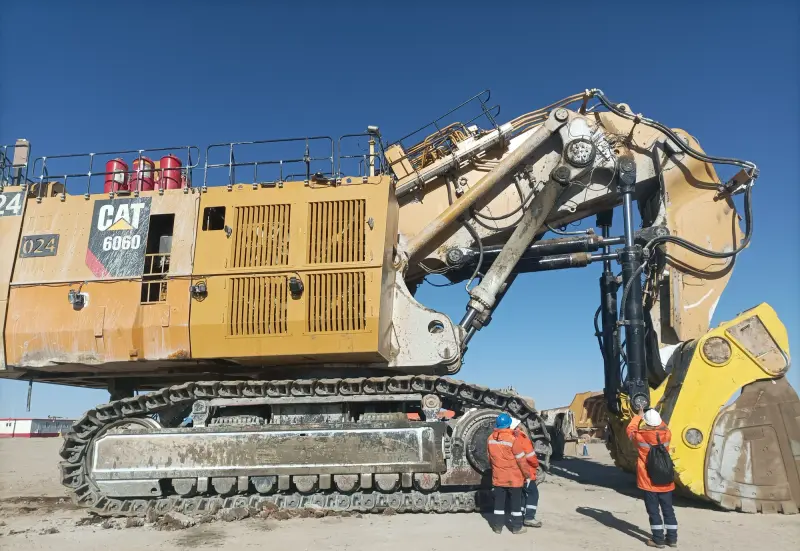
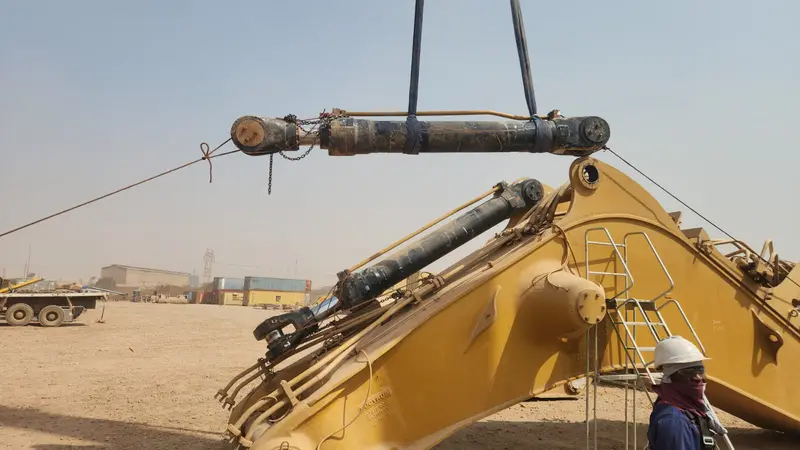
Hydraulic cylinders on a CAT 6060 face shovel at Oyu Tolgoi kept failing. Akaliko worked out where, changed the design, and supplied the modified cylinders in 2025.
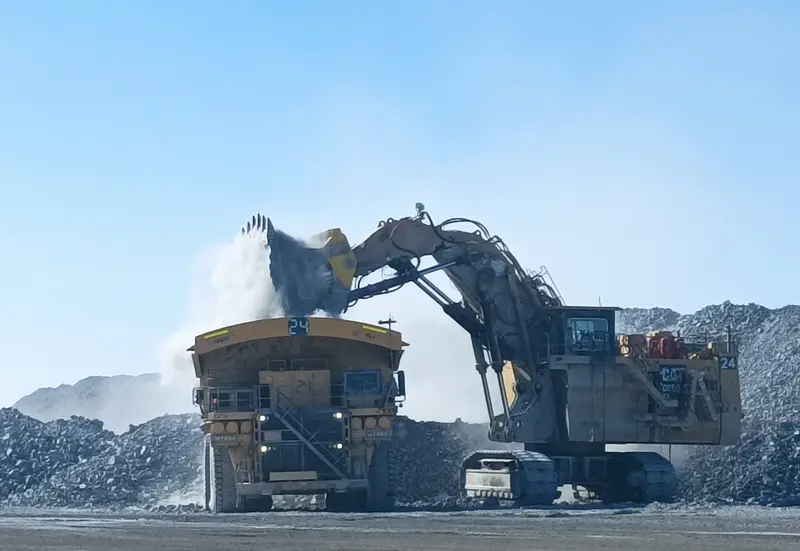
1The cylinders
A CAT 6060 loading a haul truck at Oyu Tolgoi
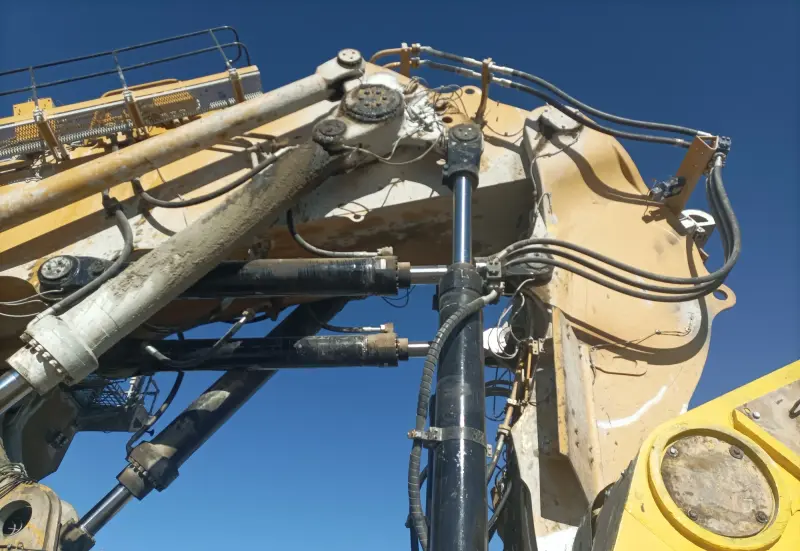
2Where they failed
Rod-eye bolts on the stick and bucket cylinders loosened or broke
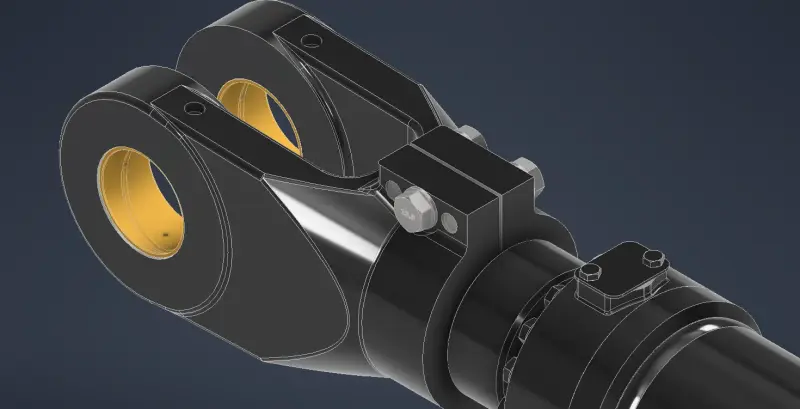
3A tighter rod-eye joint
Akaliko’s CAD model of the stick cylinder’s rod-eye connection
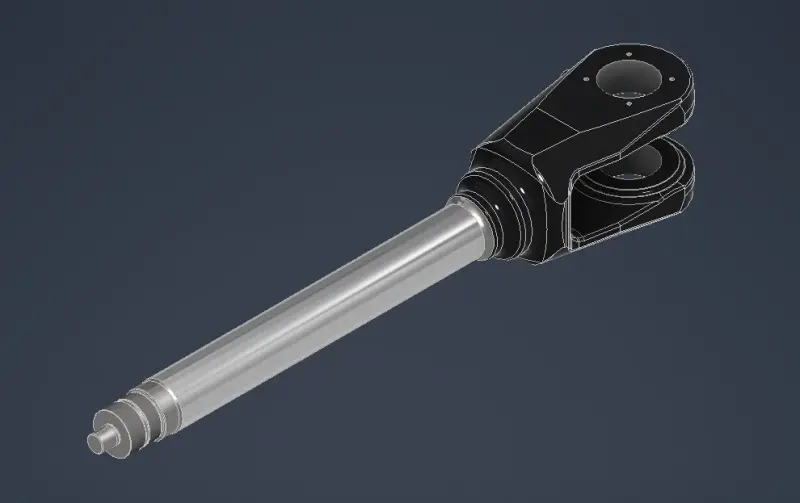
4A forged rod for the clam
The thread moved from the eye side to the cylinder side
10,000 h
Reported OEM range: 3,000–4,000 h to failure
5Back in service
Stick and bucket cylinders, still operating at the September 2026 update
The clam cylinders had run 3,000 hours (reported OEM range 1,000–2,000). All were still operating.
What we would discuss
- The stage of development
- Idea, prototype or already in use: the next decision and the technical evidence needed to make it.
- Who contributes what
- Responsibility for design work, production information and product assessment, and what each business can share.
- A manageable first scope
- One technical question, component or application to examine first, with the approach agreed for it.
Bring to a first conversation
- A short explanation of the product and the problem it addresses
- Its current development stage and the decision you want to reach
- Drawings, prototypes or results you are able to share
- The manufacturing or technical contribution you want to explore
A partnership starts with a discussion. Scope, responsibilities and terms are agreed for the work involved.
Tell us where you see an opportunity.
Introduce your business, what you could contribute and what you would like to explore with Akaliko.