
client
Energy Resources LLC
location
Tsogttsetsii, Mongolia
Services delivered
Asset Solutions
2025
engagement date
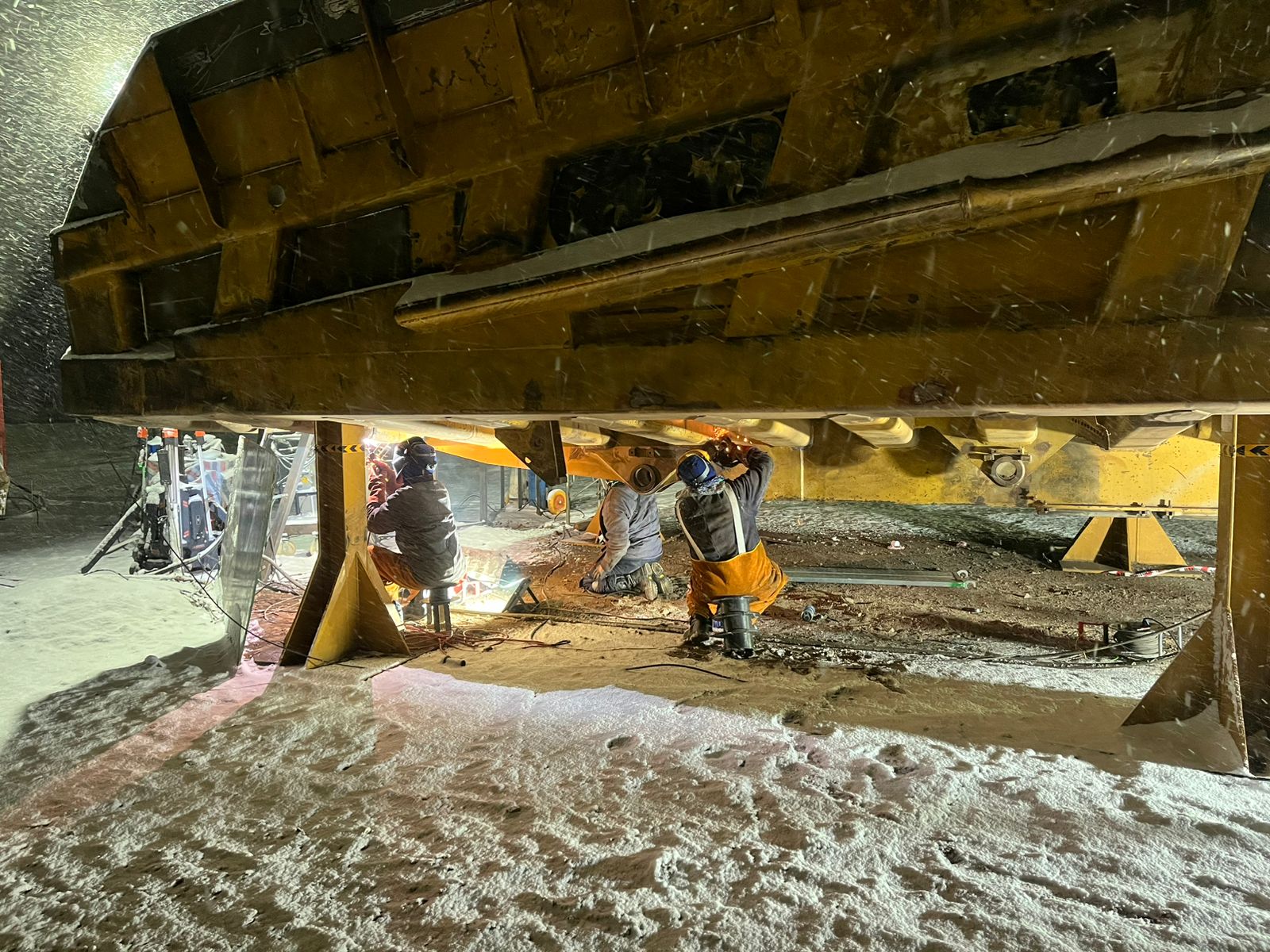
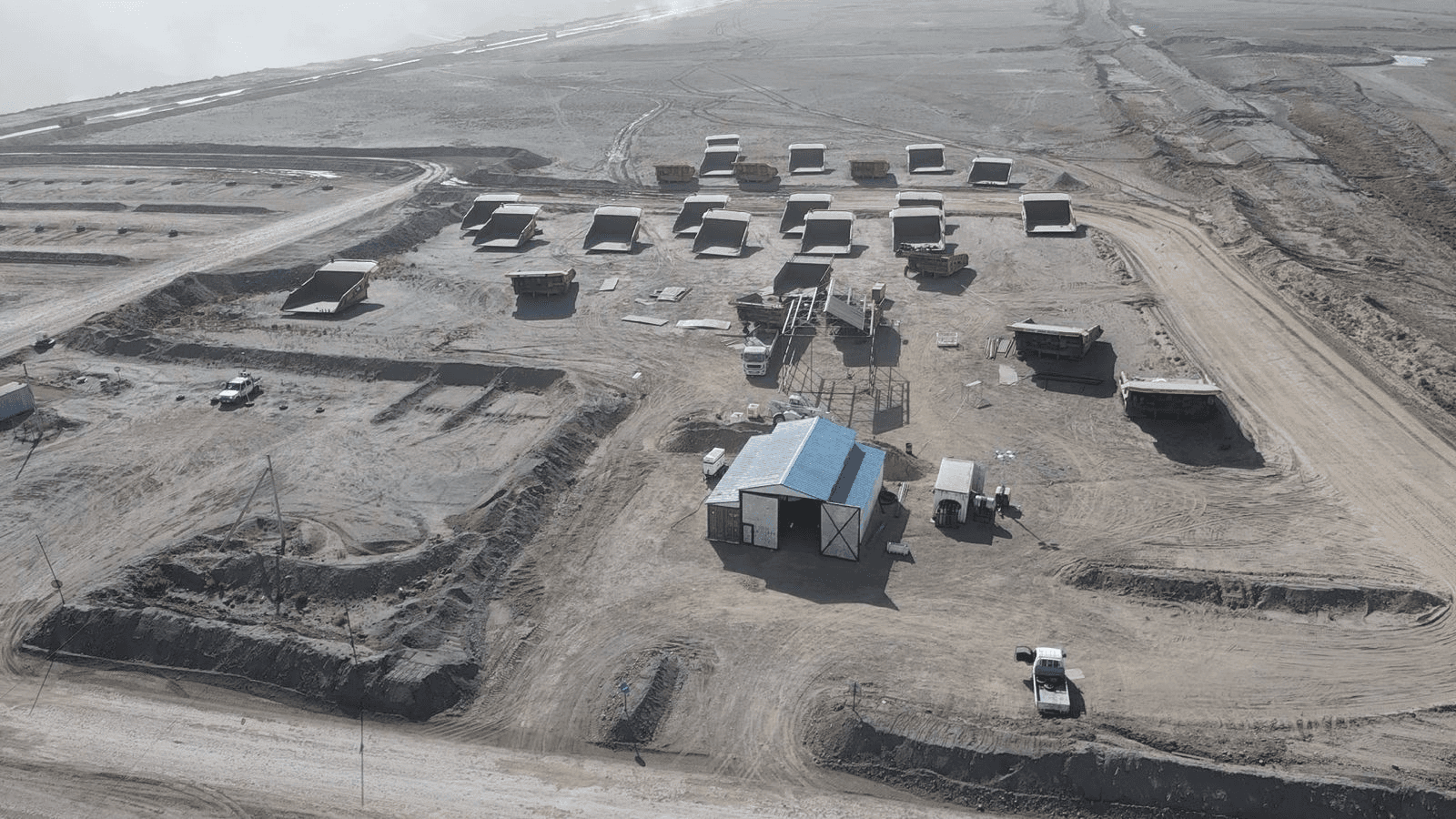
Akaliko Asset Solution Mongolia (AASM) is executing a comprehensive on-site dump body structural repair program for Energy Resources since October 2025. The scope covers systematic repair of multiple dump bodies experiencing fatigue cracking and structural wear, with work progressing through Mongolia's challenging winter conditions.
The Challenge
Mining dump bodies in Mongolia degrade fast. Heavy payloads, abrasive material, and thermal cycling wear structural elements beyond tolerance, and once winter arrives the repair environment itself becomes the harder problem.
Cold affects weld procedure control and base-metal behaviour. Wind and snow disrupt site access and inspection windows. Downtime is tight, every hour a unit sits in the bay is production the mine doesn't get back. And cold weather welding is unforgiving: without strict preheat and interpass temperature control, structural integrity suffers.
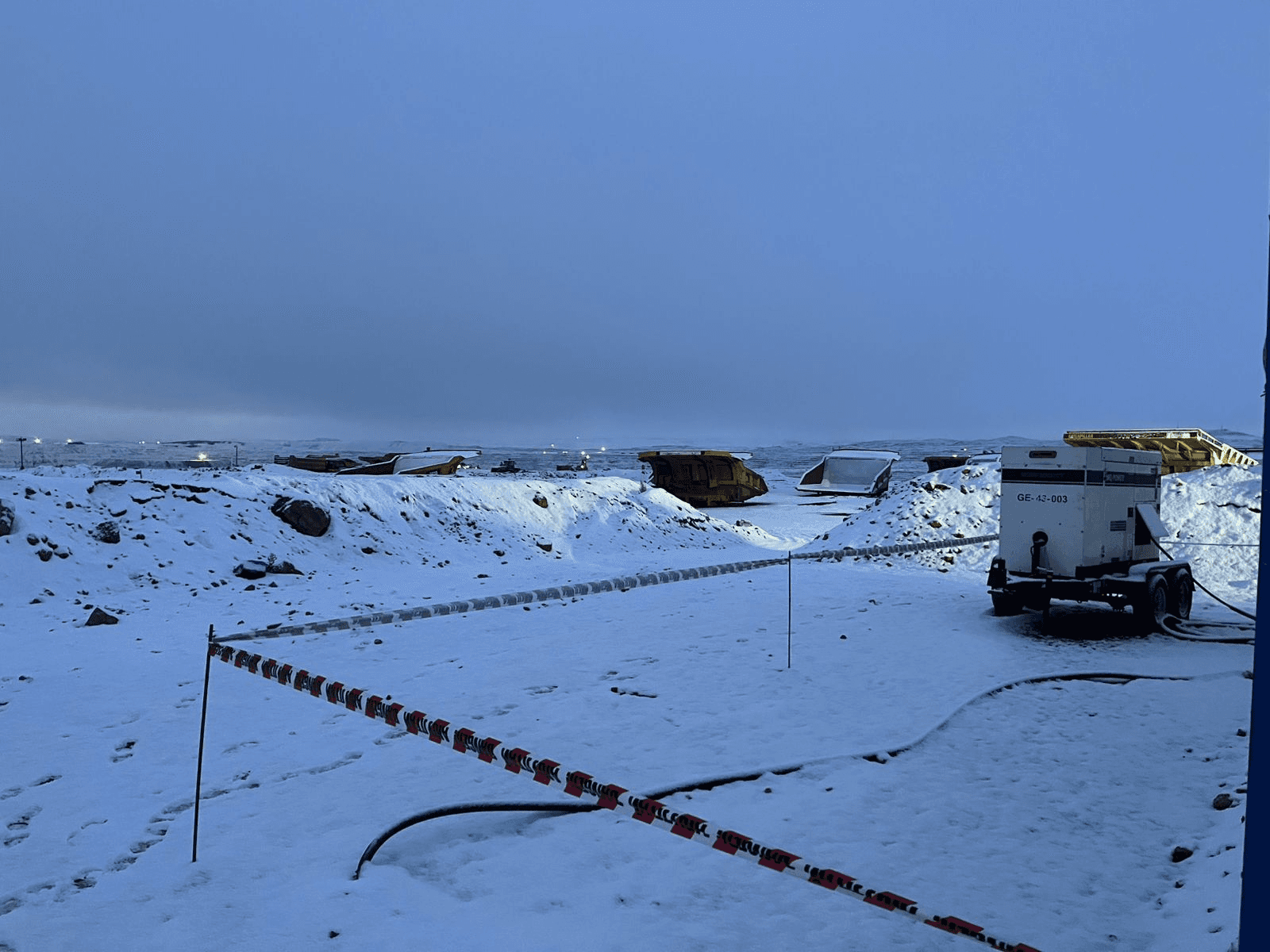
Left unmanaged, these conditions lead to catastrophic failure, extended downtime, and replacement costs that far exceed what a systematic repair program would cost.
Scope of Work
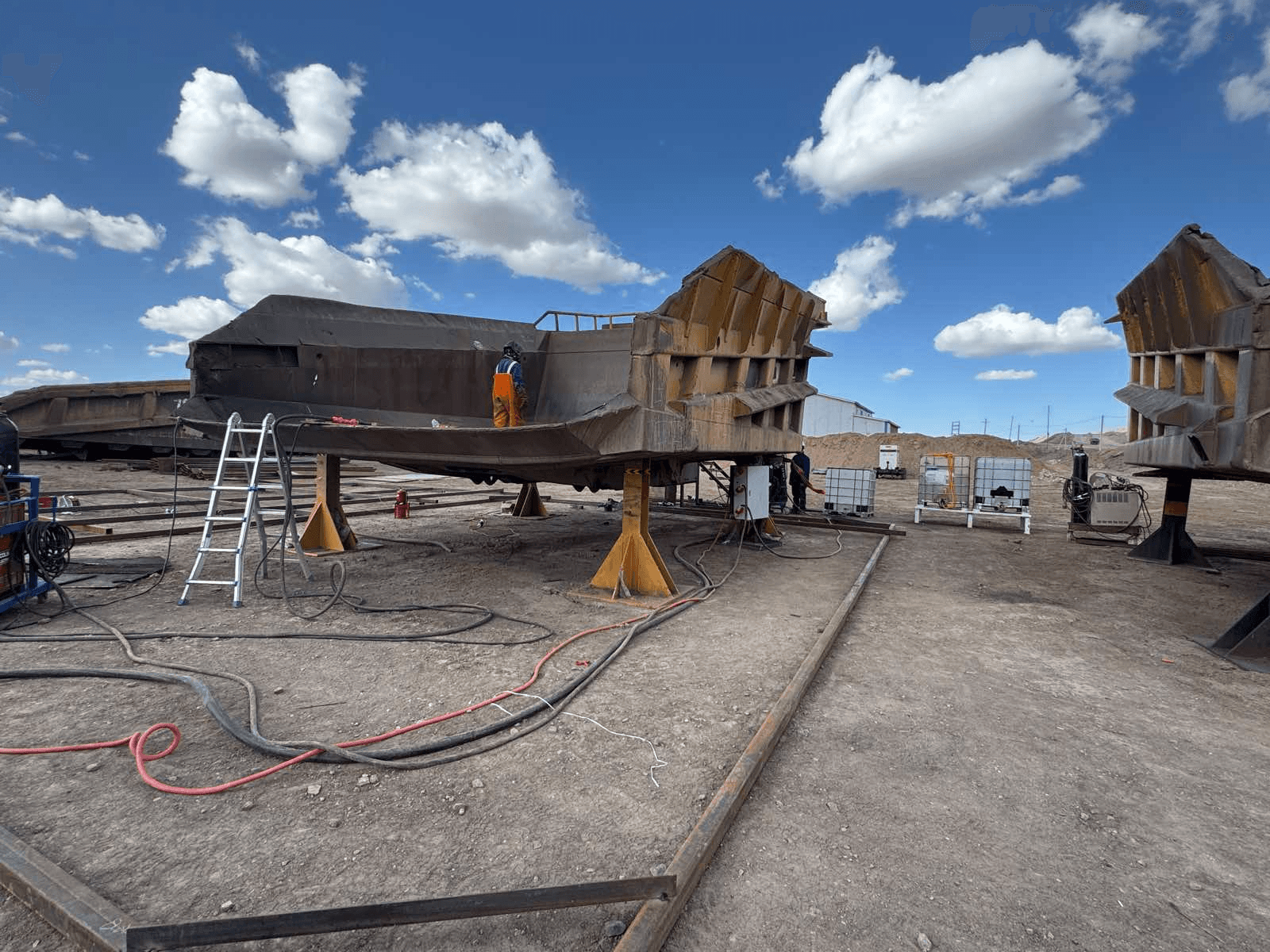
AASM's program covers the end-to-end structural restoration of CAT 785 dump bodies across Energy Resources' fleet, with repair sequencing aligned to the mine's operational schedule to minimise production impact.
Comprehensive damage assessment across fleet units, prioritised by severity, availability, and operational criticality
Non-destructive testing (NDT) matched to defect type for thorough evaluation before repair planning
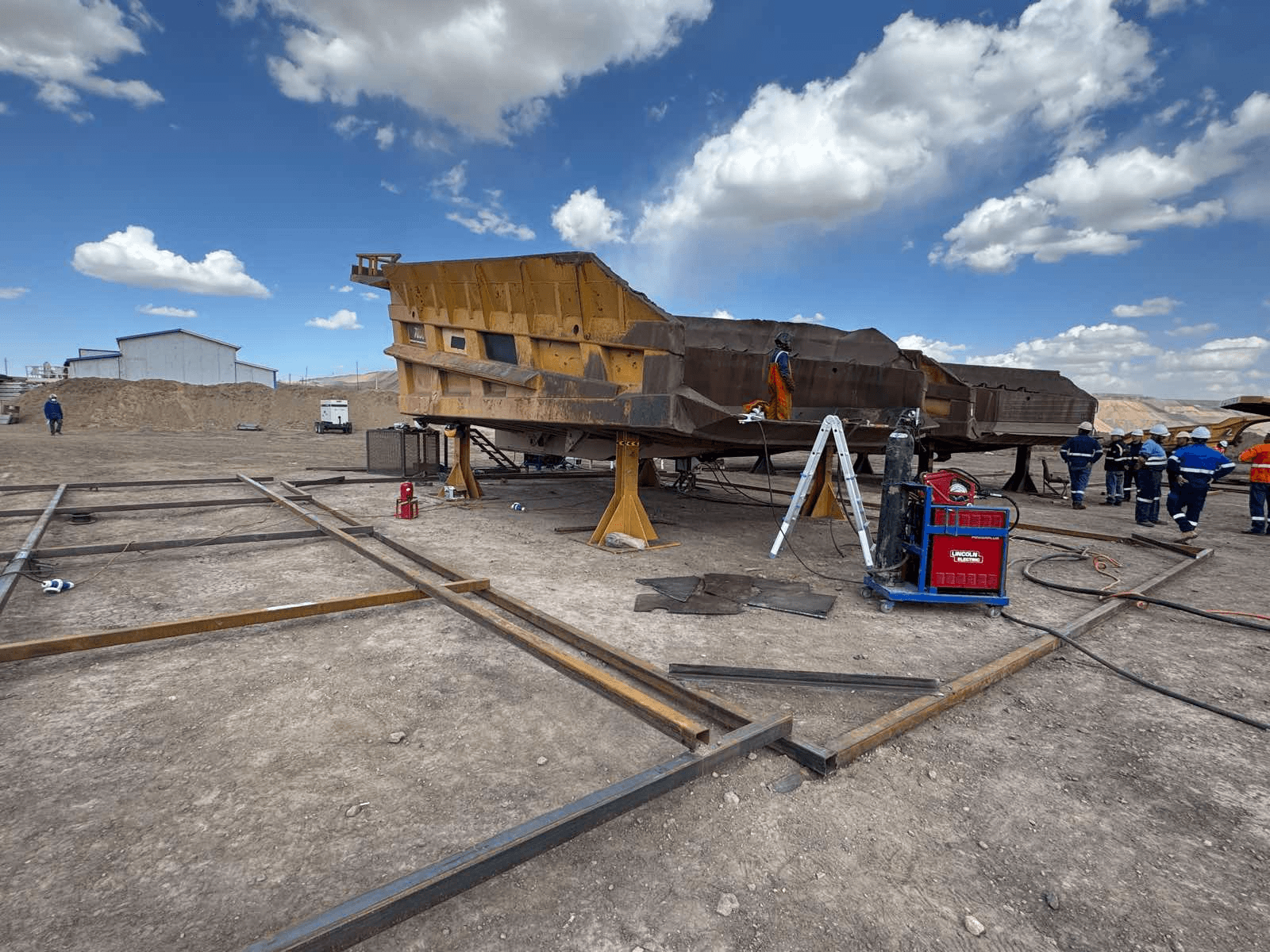
Structural repair. Complete removal of damaged sections to base metal, welding per qualified procedures, reinforcement at high-stress zones
Wear plate repair where required
Quality assurance. Defined hold points pre-weld, during progression, and post-weld, with progressive NDT and dimensional verification for distortion control
AASM Approach
Condition-based prioritisation.
Fleet availability status (active, parked, standby) drives repair sequencing, so resources land on the highest-impact interventions first.
Controlled welding discipline.
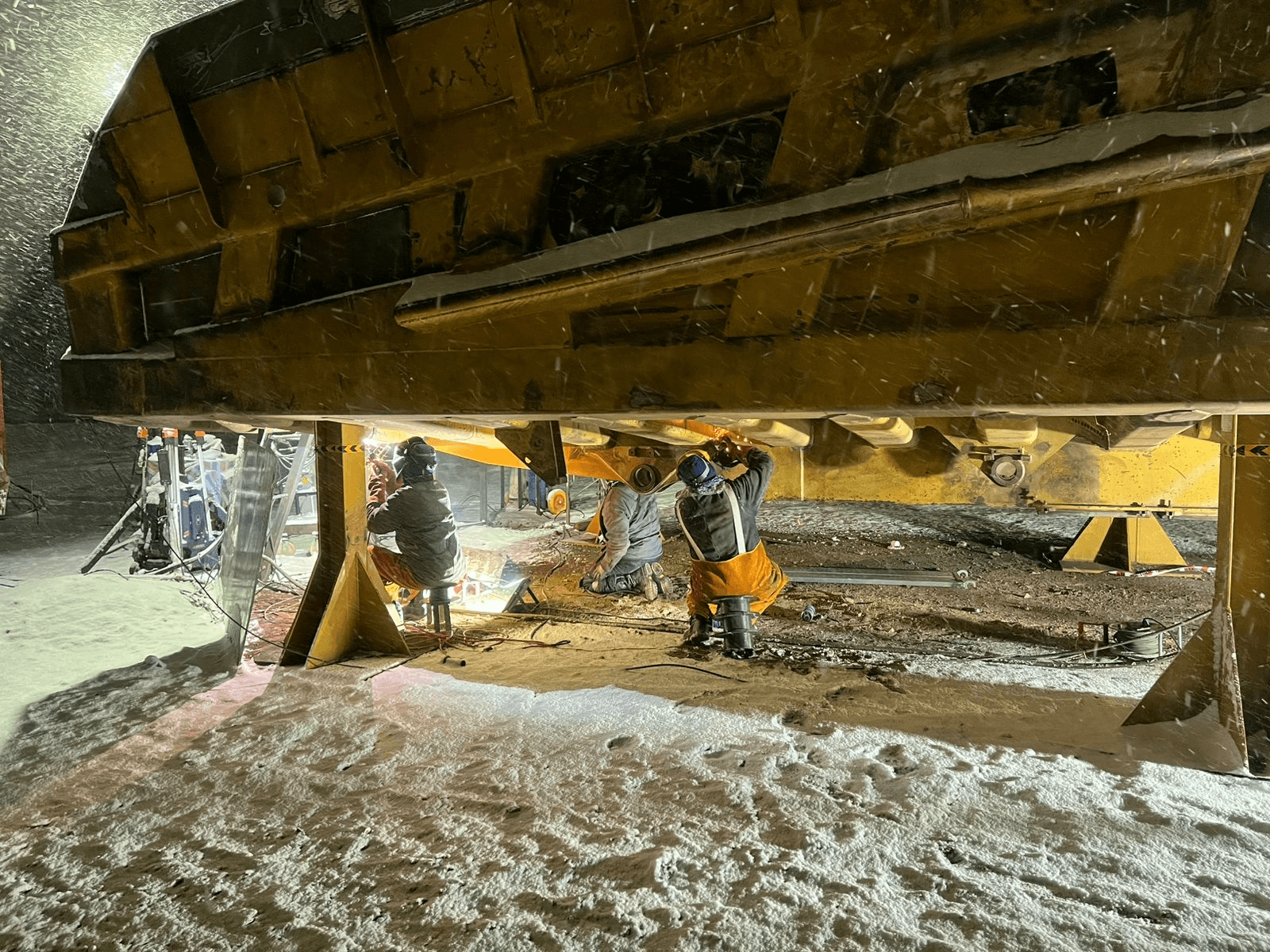
Heat input and structural distortion are managed through controlled welding sequences, backstep technique, fixturing, and strict preheat/interpass temperature control critical in sub-zero conditions.
Maintenance-led problem-solving.
Repairs are approached with a root-cause mindset rather than a patch-and-move-on mindset. Disciplined daily 5S housekeeping, end-of-shift clean-down, and secure consumable storage are mandatory.
Two-Shift Deployment Model
The program runs on structured day and night shifts, which is the difference between meeting Energy Resources' operational windows and falling behind them.
Day shift carries primary repair execution and welding progression, QA/QC hold points when visibility and temperature are most favourable, client coordination with ER leadership, and material receipt and staging.
Night shift handles controlled continuation welding within approved parameters, preparation and fit-up for next-day progression, staged readiness tasks (grinding, cleaning), and lower-criticality work maximising productive hours across the 24-hour cycle.
Every shift transition is documented: written shift log with progress status, photographic handover of current state, open defects list, quality hold points, and clear next-shift priorities with material and resource needs.
Quality, safety, and documentation
Quality and field process.
Every repair follows structured progression:
Pre-start controls (PTW, JSA, toolbox talks, barricades, LOTO, fire watch, night-work lighting.)
Inspection and damage mapping with photos, crack mapping, and thickness gauging.
Repair engineering defining zones, reinforcement, weld specs, and distortion control.
Preparation to sound base metal with fit-up and preheat.
Controlled root/fill/cap passes with documented parameters.
Post-weld inspection, final NDT, dimensional verification, and return-to-service sign-off.
Safety framework.
Clear accountability from Site Manager to Field Supervisor to workforce, with regular audits, performance tracking, and mandatory risk assessment for new tasks. Cold weather protocols (warm-up facilities, hypothermia controls, appropriate PPE) are built into daily operations.
Risk management.
A risk register, reviewed weekly with ER coordination, covers winter welding constraints (sheltering, preheat control), distortion risk (sequencing, fixturing, corrective heat treatment), night-shift fatigue (roster discipline, high-risk work restricted to day shift), material lead times (staged inventory, pre-approved alternates), fire risk, snow-related access delays, and weld defect response.
Documentation deliverables.
Daily progress reports with welding meters and zones completed, timestamped photo logs, and shift handover records. Technical records capture welder ID, WPS reference, consumables, temperatures, NDT methods and results, and visual weld repair maps. Weekly management reports provide completion percentages by unit, risk register updates, and safety records. Each unit exits the program with a complete documentation package, as-repaired drawings, return-to-service certification, and recommended future inspection intervals.
Current status
Work commenced October 2025 and continues through the Mongolian winter. Snowfall has now begun; the two-shift operation is maintaining momentum and staying aligned with Energy Resources' operational schedule.
[
the team
]